Is a 9-wood for senior golfers the secret to better long-distance approach shots?
9 minutes read time
Well, it’s official. I’ve added a 9-wood to my golf bag, and I’ve affectionately named it my “Old Man Club.”
Still maintaining a single-digit handicap, I never imagined I’d be carrying a 3-wood, 7-wood, and now a 9-wood.
Years ago, when I was playing to a two handicap, I probably would have laughed at the idea. Back then, hitting a long iron was almost a badge of honor.
As I’ve gotten older, I’ve become more interested in choosing equipment that helps me shoot lower scores, maintain consistency, and enjoy the game.
If my new Old Man Club helps me accomplish those things, I’ll happily embrace the nickname.
Why I Decided to Replace My 5-Iron
I’ve always enjoyed hitting irons, especially when I make that perfect, solid contact that feels effortless.
However, long irons can become increasingly demanding as we age. Even experienced golfers may notice changes in swing speed, flexibility, strength, and ball-striking consistency.
My Titleist T150 5-iron is an excellent forged iron with a standard loft of 25 degrees. But I began wondering whether a higher-lofted fairway wood could provide similar distance with a higher trajectory, softer landing, and greater consistency.
Since my 7-wood has already become one of my favorite clubs, adding a 9-wood seemed like a natural progression.
And yes, my pride survived the decision.
Even Fred Couples Has an “Old Man” Golf Bag
Apparently, I’m in pretty good company.
Fred Couples, the 1992 Masters champion and one of the smoothest swingers in golf history, has embraced woods and hybrids as he’s gotten older.
Couples turned 67 on October 3, 2026, making him just a year younger than me.
Sponsored Links
His reported equipment setup at the 2025 Masters included a driver, two fairway woods, four hybrids, and only three conventional numbered irons.
Fred Couples’ Reported 2025 Masters Equipment
Club
Model
Loft
Driver
PING G425 LST
—
3-wood
Callaway FT-i Squareway
15°
5-wood
PING G425 MAX
17.5°
3-hybrid
PING G430
19°
4-hybrid
PING G430
22°
5-hybrid
PING G430
26°
6-hybrid
PING G430
30°
Traditional irons
7, 8 and 9
—
Sources: PGA Tour, WITBhub and Golf.com. Professional golfers frequently change their equipment.
Think about that for a moment. A Masters champion, former world No. 1, and World Golf Hall of Fame member has replaced much of his traditional iron set with more forgiving clubs.
Couples has also spoken about adapting his equipment because of his longstanding back problems and the physical demands of hitting irons.
If Fred Couples can make adjustments to his golf bag as he gets older, there’s certainly no reason the rest of us shouldn’t consider doing the same.
Maybe my Old Man Club is a smarter choice than I originally thought!
At Senior-Golfers.com, we focus specifically on how the golf swing, equipment, and practice change after 60. If you’re looking for senior-friendly golf advice, start here.
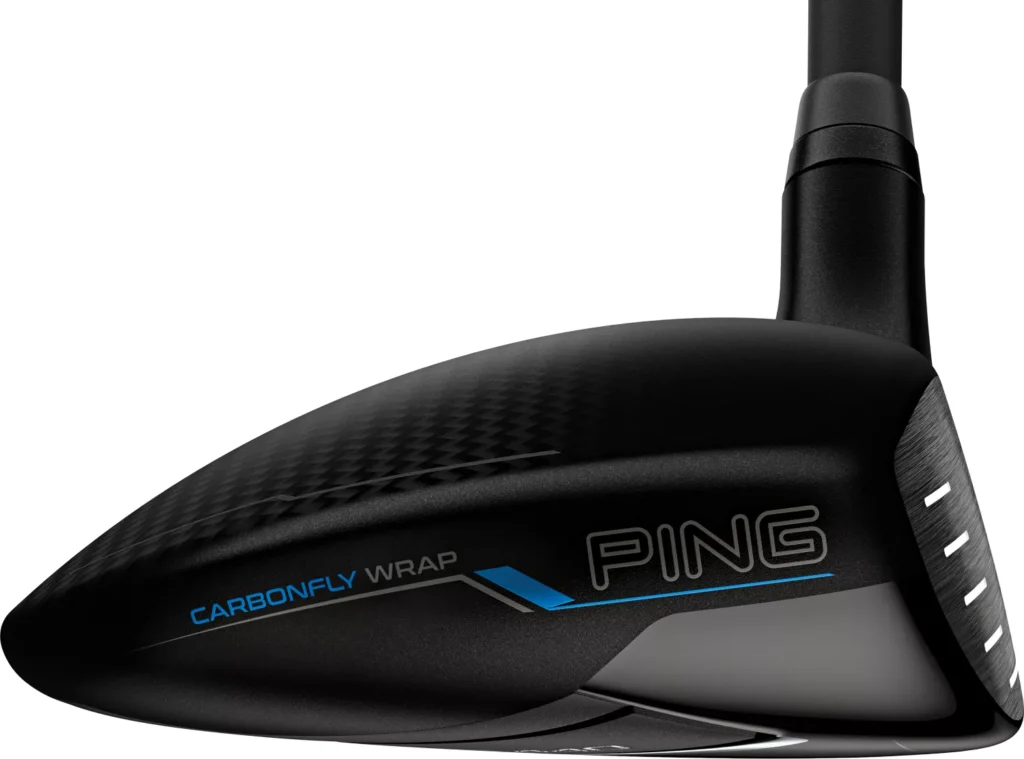
PING G440 MAX 9-Wood – An Option Worth Considering for Senior Golfers
A 9-wood is a high-lofted fairway wood, typically featuring approximately 23 to 26 degrees of loft, depending on the manufacturer.
Although its loft can be similar to that of a 5-iron, differences in clubhead design, shaft length, and weight distribution can produce significantly different ball flights.
9-Wood vs. 5-Iron vs. Hybrid
Feature
5-Iron
9-Wood
Comparable hybrid
Typical loft
23°–27°
23°–26°
23°–27°
Shaft length
Shorter
Longer
Intermediate
Ball flight
Low to medium
Generally high
Medium to high
Forgiveness
Moderate
Generally high
Generally high
Landing angle
Often shallower
Often steeper
Moderate to steep
Tight lies
Good
Depends on technique
Good
Light rough
Can be challenging
Good
Good
Heavy rough
Challenging
Can be challenging
Often more versatile
Trajectory control
High
More limited
Moderate
These are general characteristics. Individual performance depends on your swing speed, club delivery, shaft selection, and quality of contact.
Five Reasons Senior Golfers Should Consider a 9-Wood
1. Easier to Get the Ball Airborne
One of the challenges many senior golfers face is maintaining enough clubhead speed to launch longer irons effectively.
Fairway woods generally feature a lower and deeper center of gravity, which can help golfers produce a higher ball flight without feeling they need to swing harder.
Sponsored Links
A 9-wood may allow you to make a comfortable, smooth swing while still achieving the height needed for longer approach shots.
2. Greater Forgiveness
Let’s face it. We don’t always find the center of the clubface.
A fairway wood’s larger clubhead and weight distribution can help maintain ball speed and distance on less-than-perfect strikes.
For many senior golfers, improving the quality of their average shot can make a bigger difference to their scores than occasionally hitting a spectacular one.
3. Better Opportunities to Hold Greens
As our swing speeds change, generating sufficient height and spin with longer irons can become more challenging.
A higher-lofted fairway wood may produce a steeper landing angle, helping approach shots stop more quickly on the green.
This becomes particularly valuable when hitting into elevated greens or carrying front greenside bunkers.
4. Greater Confidence
Golf is as much a mental game as it is a physical one.
Standing over a club you trust can make a tremendous difference in your ability to make a relaxed and committed swing.
I’ve already experienced that confidence with my 7-wood, and I’m hoping the 9-wood will provide more of the same.
5. Less Pressure to Swing Hard
As senior golfers, we sometimes try to compensate for lost distance by swinging harder.
Unfortunately, forcing the swing can create tension, disrupt our tempo, and lead to inconsistent contact.
Choosing equipment that helps us produce the desired ball flight with a comfortable swing may improve both our performance and enjoyment of the game.
Why Have Higher-Lofted Fairway Woods Become More Popular?
For years, many golfers associated higher-lofted fairway woods primarily with beginners or older players.
That perception has changed considerably.
Modern fairway wood technology, improved shaft designs, and advances in weight distribution have made these clubs attractive to golfers of all skill levels.
Even professional golfers have experimented with 7-woods and 9-woods to achieve specific distances, higher trajectories, and softer landings.
The number stamped on the bottom of a golf club matters considerably less than what that club allows you to accomplish.
What About Hybrids?
Hybrids remain an excellent alternative to traditional long irons, as Fred Couples has demonstrated.
Some golfers prefer the compact appearance of a hybrid, while others feel more comfortable looking down at a fairway wood.
Personally, I’ve developed considerable confidence in my higher-lofted fairway woods.
However, I would encourage senior golfers to compare a long iron, hybrid, and fairway wood before deciding which deserves a place in their golf bag.
Pay particular attention to:
Average carry distance
Distance consistency
Ball flight and trajectory
Landing angle and stopping power
Left-to-right shot dispersion
Performance from different lies
Overall confidence
Your best club is the one that produces the most dependable results for your swing.
Make Sure Your Clubs Have Proper Distance Gaps
Adding a higher-lofted fairway wood should also involve evaluating the distance gaps between your clubs.
A 9-wood with similar loft to a 5-iron could actually travel farther because of its longer shaft and different clubhead design.
For example, a golfer might have the following carry distances:
Club
Illustrative carry distance
3-wood
215 yards
5-wood
200 yards
7-wood
185 yards
9-wood
170 yards
6-iron
155 yards
7-iron
145 yards
These are hypothetical distances for illustration purposes. Your actual distances may be considerably different.
Ideally, each club should serve a distinct purpose without creating unnecessary overlap or large distance gaps.
Forget the Ego and Play Better Golf
One of the greatest advantages of getting older is that we’ve accumulated decades of golf experience.
Unfortunately, we’ve also accumulated decades of opinions about which clubs we should carry!
I’ve reached a point where I really don’t care what number is stamped on the bottom of my club.
If I can hit a 9-wood closer to the hole than a 5-iron, why wouldn’t I use it?
The scorecard doesn’t have a column for which club you used.
There’s no extra credit for hitting a difficult long iron when an easier-to-hit club might produce a better result.
And there’s certainly no age requirement for playing smarter golf.
My Final Thoughts
I’m looking forward to seeing how my new 9-wood performs long term on the golf course.
Will it become one of my favorite clubs? Time will tell.
But if my experience with my 7-wood is any indication, I have a feeling my Old Man Club might be sticking around for a while.
Golf is a lifelong game, and adapting our equipment as we age is simply part of the journey.
If you’re struggling with your long irons, consider giving a 7-wood, 9-wood, or hybrid a try. You might be pleasantly surprised by the results.
And who knows? If I ever purchase an 11-wood, my golf buddies will probably never let me hear the end of it.
Have you added a 7-wood, 9-wood, or another higher-lofted fairway wood to your golf bag? I’d love to hear about your experience.
Yes. A 9-wood can be an excellent option for senior golfers who struggle to achieve sufficient height, distance, and consistent contact with their longer irons. Its larger clubhead and higher loft may make it easier to launch the ball and hold greens.
What iron does a 9-wood replace?
A 9-wood typically replaces a 4-iron or 5-iron, depending on the loft, shaft length, swing speed, and actual carry distance. Some golfers may even find it a suitable replacement for their 6-iron.
What is the loft of a 9-wood?
Most modern 9-woods have approximately 23 to 26 degrees of loft. The ideal loft will depend on the distance gaps between your existing clubs.
How far should a senior golfer hit a 9-wood?
Many senior golfers may carry a 9-wood approximately 130 to 180 yards, although distances outside this range are common. Swing speed, quality of contact, shaft selection, and playing conditions all influence distance.
Is a 9-wood easier to hit than a 5-iron?
For many golfers, yes. A 9-wood’s larger clubhead and lower, deeper center of gravity can make it easier to launch the ball high and maintain distance on off-center strikes.
Should I carry both a 7-wood and a 9-wood?
Absolutely, provided they produce different carry distances and serve distinct purposes in your golf bag. A 7-wood will generally travel farther, while a 9-wood may provide additional height and stopping power on shorter approach shots.
Is a 9-wood better than a hybrid?
That depends on your swing and personal preferences. A 9-wood generally promotes a higher trajectory, while a hybrid’s more compact head and shorter shaft may offer greater versatility from difficult lies and heavier rough.
Can you hit a 9-wood from the rough?
Yes. A 9-wood can perform well from light to moderate rough, especially when the ball is sitting up. A hybrid or higher-lofted iron may be a better choice when the ball is buried in thick grass.
Do professional golfers use higher-lofted fairway woods and hybrids?
Yes. Professional golfers increasingly recognize the benefits of higher-lofted fairway woods and hybrids. Fred Couples, for example, has replaced several of his traditional long and middle irons with hybrids as he has gotten older.
What shaft flex should senior golfers use in a 9-wood?
Shaft flex should be selected based on swing speed, tempo, strength, and ball-flight characteristics. Senior-flex and regular-flex graphite shafts are popular choices, but a proper club fitting can help identify the best combination of shaft weight and flex.
Is a 9-wood just an “Old Man Club”?
Only if you want to call it that! Golfers of all ages can benefit from a 9-wood. If it helps you hit more greens, improve consistency, and lower your scores, it deserves a place in your bag.
Remember, there are no bonus points on the scorecard for making golf more difficult than it needs to be.
🔔Want more senior-specific golf tips? Join the Senior-Golfers.com Newsletter and get practical advice, equipment insights, and bonus guides delivered monthly — no spam.
Cold weather golf after 60 can be frustrating. The temperature drops, the fairways get softer, and suddenly the club that easily reached the middle of the green in July starts coming up short.If your 7-iron suddenly starts coming up short in October, don’t assume you’ve lost your swing. It happens to me, too. 9 minutes…
AI golf instruction is becoming one of the newest ways golfers can use artificial intelligence to improve their game. AI can already write an email, plan a vacation, answer questions, analyze photographs—and now it can even analyze your golf swing. But can it actually help you play better golf? That was the question I wanted…
How Tee Height and Ball Position Can Help Senior Golfers Launch It Higher, Find the Center of the Face, and Get More From Their Driver One of the easiest ways for senior golfers to gain more from the driver is to check driver tee height for senior golfers and ball position before making another swing…
Allen is a seasoned golfer who has been playing the sport for over 50 years, mostly in the Northwest, and now calls Idaho home. Throughout his life, he has actively participated in various sports, including snowboarding and windsurfing in the Columbia Gorge. Allen passionately believes that “Golf is Life” and is dedicated to helping fellow senior golfers make the most of their senior years










Comments