Join Our Senior Golfers Newsletter!
Sign up today and receive your free Golf After 60 Bonus Stretch Guide!

Putting is often called the “game within the game” of golf. It’s a crucial skill that can make or break a round, yet it’s also one of the most misunderstood aspects of the sport. For the average golfer, separating fact from fiction when it comes to the putting stroke can be challenging. This comprehensive guide aims to dispel myths, provide evidence-based insights, and offer practical advice to help golfers of all levels improve their putting performance.
Read time 8 minutes.

The Importance of Putting
Before delving into the mechanics of the putting stroke, it’s essential to understand just how critical putting is to a golfer’s overall score. Statistics from the PGA Tour show that putting accounts for approximately 40% of all strokes in a round of golf. For amateur golfers, this percentage is often even higher. Improving your putting can have a significant impact on your overall game, potentially shaving several strokes off your score.
The Basics of a Good Putting Stroke
Fact: Proper alignment is crucial for consistent putting.
Fiction: You should always aim directly at the hole.
The reality is that most putts require you to aim slightly left or right of the hole to account for the break of the green. Use alignment aids on your putter or place a line on your ball to help ensure you’re aimed correctly. Practice your alignment regularly, as it’s one of the most important aspects of putting.

Fact: A stable, balanced stance promotes a consistent stroke.
Fiction: There’s one “correct” putting stance that works for everyone.
While there are general guidelines for a good putting stance (feet shoulder-width apart, slight knee flex, eyes over the ball), the most important factor is comfort and repeatability. Experiment to find a stance that allows you to make a consistent, pendulum-like motion.
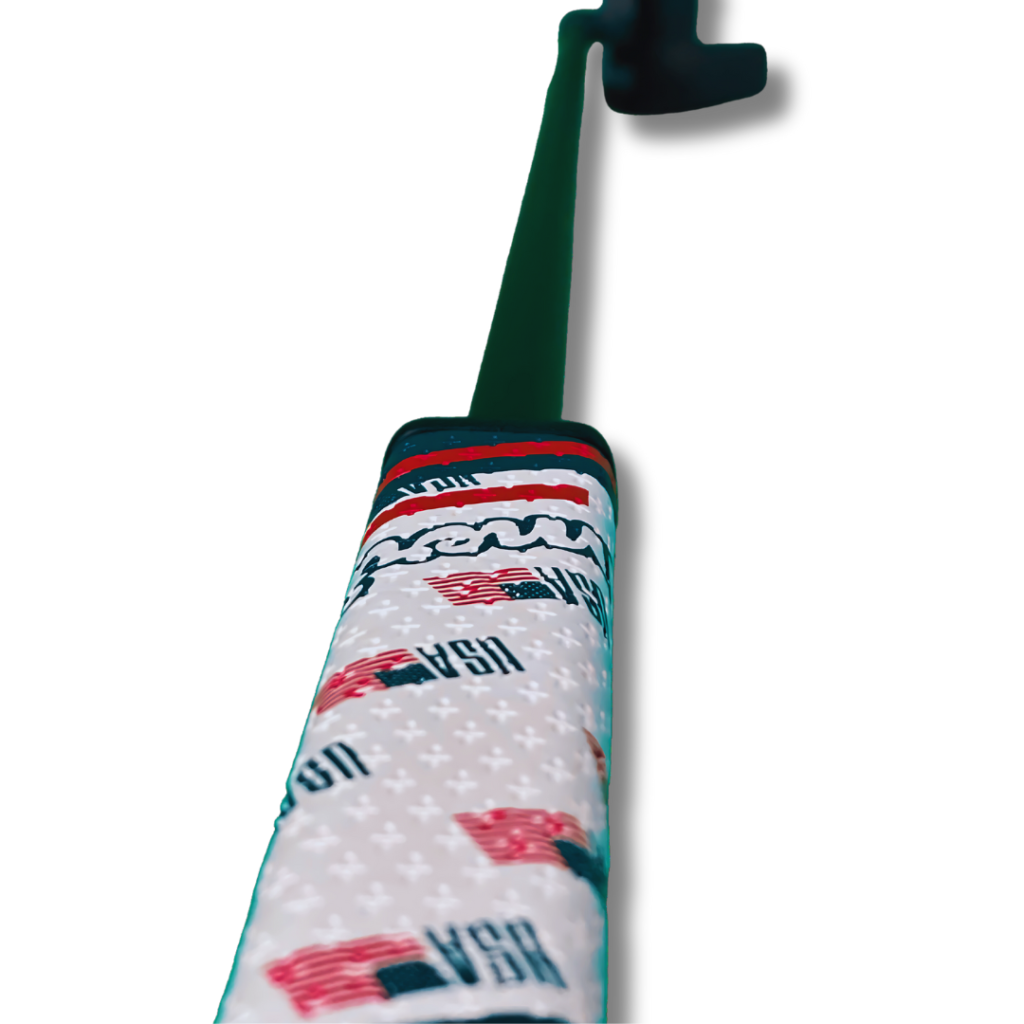
Fact: A relaxed grip promotes better feel and control.
Fiction: There’s one “best” putting grip for all golfers.
Popular grips include the conventional, cross-handed, and claw grips. The key is to find a grip that allows you to keep your hands quiet during the stroke and promotes a pendulum motion. Experiment with different grips to see what feels most natural and produces the best results.

Fact: A slightly arced putting stroke is natural for most golfers.
Fiction: The putter must move straight back and straight through.
Research using 3D motion capture technology has shown that even the best putters in the world have a slight arc to their stroke. The key is to minimize face rotation through impact, which is more important than having a perfectly straight path.
Fact: Hitting the ball on the sweet spot of the putter face is crucial for distance control.
Fiction: You need to “hit up” on the ball to create topspin.
Focus on making solid contact with the ball, striking it on the center of the putter face. The loft of the putter will naturally get the ball rolling quickly; you don’t need to try to create topspin artificially.
Common Putting Myths Debunked
Myth 1: “Keep your head down”
Reality: While it’s important to maintain a stable head position, rigidly keeping your head down can lead to tension and restricted motion. Instead, focus on keeping your head steady until after impact, then allow it to turn naturally as you follow through.
Myth 2: “Accelerate through the ball”
Reality: A smooth, pendulum-like motion is more effective than trying to accelerate through impact. Studies have shown that the best putters maintain a consistent tempo throughout their stroke.
Myth 3: “Longer putts require a longer backswing”
Reality: For most golfers, it’s more effective to maintain a consistent-length stroke and vary the speed of the stroke for different distances. This promotes better consistency and feel.
Myth 4: “Practice makes perfect”
Reality: While practice is essential, it’s quality over quantity that matters most. Focused, deliberate practice with specific goals and feedback is far more effective than mindlessly hitting hundreds of putts.

The Role of Technology in Putting
In recent years, technology has played an increasingly important role in helping golfers understand and improve their putting strokes. Here are some ways technology is being used:
5. Golf Club Impact Spray
Knowing where you hit the club face is so important, its the key to long and straight golf shots!
We may earn a commission, at no additional cost to you.

While these technologies can provide valuable insights, it’s important to remember that feel and intuition still play a crucial role in putting. Use technology as a tool for improvement, not a crutch.
Mental Aspects of Putting
The mental game is perhaps even more important in putting than in any other aspect of golf. Here are some key psychological factors to consider:
Practical Drills for Improvement
Equipment Considerations
While technique is paramount, having the right equipment can certainly help your putting:
Intro Sale
Up to 50% off
Get your SG-M Putter and save “PLUS FREE SHIPPING*”
*Free USA only 48 contiguous states

Conclusion
Improving your putting stroke is a journey that requires patience, practice, and a willingness to separate fact from fiction. By focusing on the fundamentals of alignment, stance, grip, and stroke path, and by understanding the realities of what makes a good putting stroke, the average golfer can make significant improvements on the greens.
Remember that while there are general principles that apply to good putting, there’s also room for individual style and preference. What works for a professional golfer may not be the best approach for an amateur. The key is to find a method that you can repeat consistently and that gives you confidence on the greens.
Ultimately, becoming a better putter involves a combination of physical technique, mental approach, and practical experience. By debunking common myths, embracing evidence-based practices, and committing to focused practice, you can transform your putting and take strokes off your score.
Whether you’re a weekend warrior or a aspiring competitive golfer, remember that every great round of golf is built on a foundation of solid putting. So the next time you hit the practice green, do so with a clear understanding of the facts about putting, and watch your confidence – and your scores – improve.