Nutrition for Senior Golfers: A Guide to Staying Healthy and Active
By Allen Pedersen
As we age, the body undergoes natural changes that can impact energy, strength, and mobility. For senior golfers, these changes—such as reduced muscle mass, slower metabolism, and joint stiffness—can affect performance and recovery. By focusing on good nutrition, senior golfers can maintain strength, boost energy, and enhance mental clarity while enjoying long-term health and vitality.
6 minutes read time
Key Nutritional Tips for Senior Golfers
1. Follow a Balanced Diet
Why it matters: A variety of nutrients fuels the body and brain for golf and daily activities.
What to include:
Carbohydrates: Whole grains provide long-lasting energy.
Proteins: Found in lean meats, fish, beans, and dairy, protein helps repair and maintain muscles.
Healthy fats: Nuts, seeds, avocados, and fatty fish (like salmon) support joint health and brain function.
2. Start the Day with a Nutritious Breakfast
Why it matters: A well-rounded breakfast sets the tone for sustained energy and endurance.
What to eat:
Whole grains: Oatmeal, whole-grain toast.
Lean protein: Eggs, yogurt, or low-fat cheese.
Fresh fruits: Source of essential vitamins and fiber.
3. Stay Hydrated
Why it matters: Hydration supports energy, focus, and the prevention of fatigue or muscle cramps.
What to do:
Drink plenty of water throughout the day, especially during a game.
Keep a water bottle handy on the course and sip regularly to stay hydrated.
4. Add More Fruits and Vegetables
Why it matters: These are rich in vitamins, minerals, and antioxidants, which promote recovery and reduce inflammation.
What to include:
Colorful fruits and vegetables, such as berries, leafy greens, carrots, and citrus fruits.
They’re also low in calories, making them excellent for weight management.
If there’s one part of golf that truly belongs to experienced players, it’s the short game for seniors. After 60, we may lose a little swing speed. We may not hit it as far as we once did. But scoring? Scoring still belongs to the golfer who controls the ball from 100 yards and in.…
At Senior-Golfers.com, we focus specifically on how the golf swing, equipment, and practice change after 60. If you’re looking for senior-friendly golf advice, start here. The shoulder turn in golf is a crucial component of a successful golf swing. It is a fundamental movement that allows golfers to generate power, maintain accuracy, and achieve optimal…
At Senior-Golfers.com, we focus specifically on how the golf swing, equipment, and practice change after 60. If you’re looking for senior-friendly golf advice, start here. There’s a moment that happens to almost every golfer over 60. You’re on the range.You make a swing.And you think: “That didn’t used to feel this hard.” Not painful.Not broken.…
At Senior-Golfers.com, we focus specifically on how the golf swing, equipment, and practice change after 60. If you’re looking for senior-friendly golf advice, start here. YouTube golf tips can be a great resource — but for golfers over 60 they often create frustration instead of improvement. If you’ve ever watched a video, tried it at…
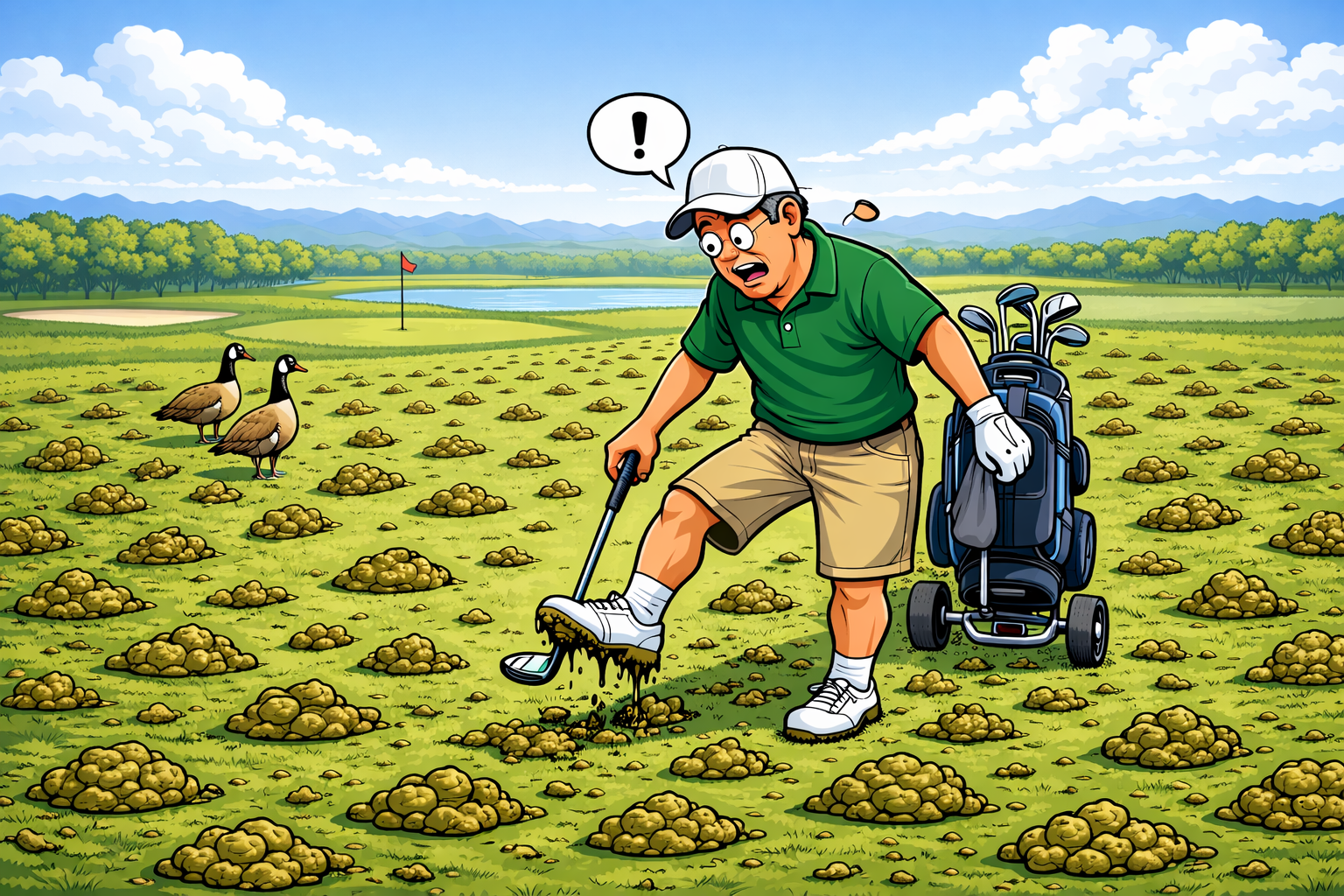
If you’ve played golf in late fall, winter, or early spring, you’ve probably noticed the same frustrating thing — goose poop is everyhere on golf courses. It’s on the fairways, around the greens, along the cart paths, and sometimes even caked onto your pull cart wheels like you drove through a pasture. What used to…
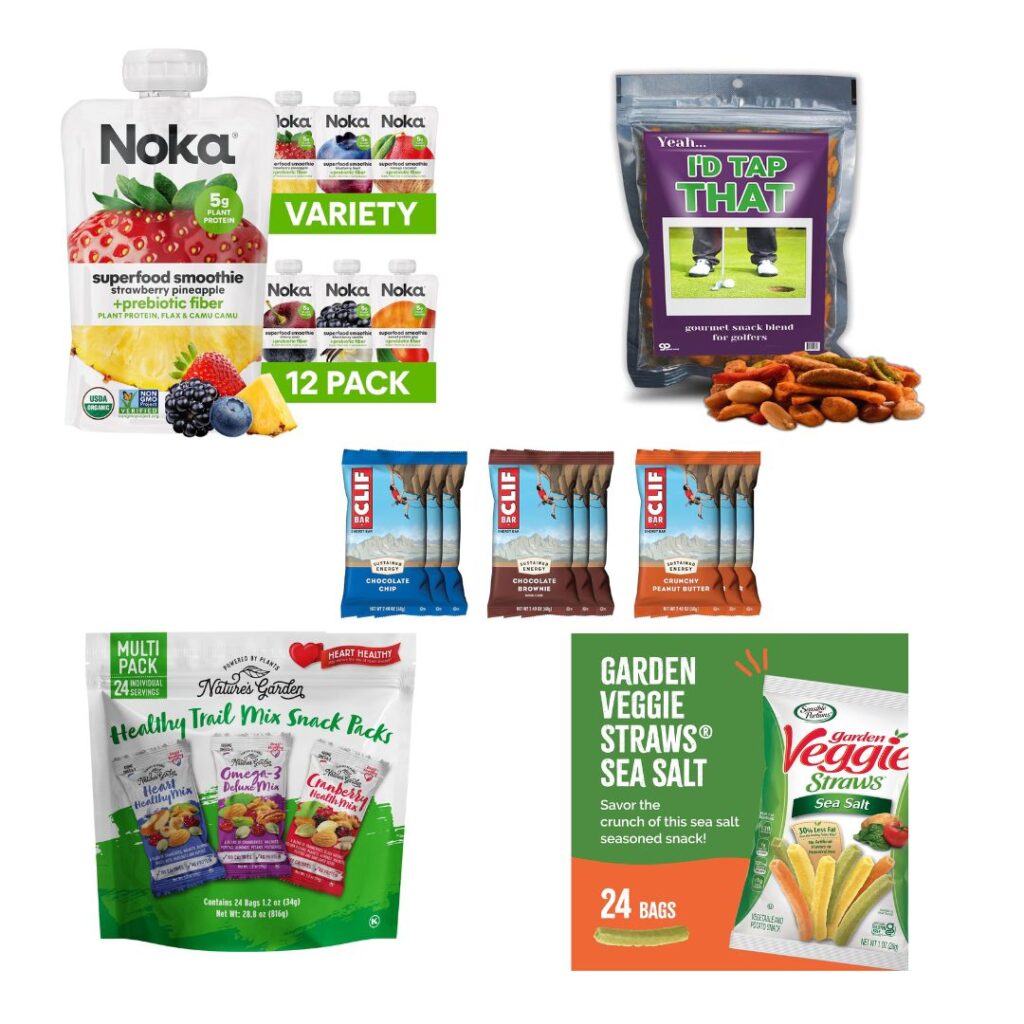
Healthy eating for senior golfers isn’t about dieting or rules — it’s about supporting your body so you can play better, hurt less, and enjoy the game longer after 60. Very few think seriously about their food. But if you’re over 60 and still love to play — or want to play better, walk more…
We may earn a commission, at no additional cost to you.
The Bottom Line
Smart food choices, proper hydration, and attention to nutritional needs can help senior golfers enjoy their game while maintaining their health and well-being. Good nutrition is a simple yet powerful way to stay active, vibrant, and motivated—both on the golf course and in everyday life.n enjoy their game while protecting their health and well-being .
Here is a sample week-long meal plan for senior golfers, incorporating the suggestions provided:
Monday
Breakfast: Whole-grain oatmeal topped with fresh berries, a handful of walnuts, and a glass of unsweetened almond milk .
Snack: A banana and a handful of almonds .
Lunch: Grilled salmon (rich in omega-3s) with a quinoa salad (mixed with spinach, cherry tomatoes, and olive oil) .
Snack: Carrot sticks with hummus .
Dinner: Roasted chicken breast with steamed broccoli, roasted sweet potatoes, and a side of mixed greens dressed in olive oil .
Hydration: Water throughout the day; a cup of unsweetened tea with dinner .
Tuesday
Breakfast: Greek yogurt (unsweetened) with chia seeds and sliced peaches; green tea .
Snack: A hard-boiled egg and an apple .
Lunch: Tuna salad made with olive oil-based mayonnaise, whole-grain crackers, and a spinach side salad with cucumbers .
Snack: A handful of mixed nuts and a few dark chocolate pieces .
Dinner: Baked tilapia with a side of couscous, grilled asparagus, and roasted carrots .
Hydration: Water before, during, and after meals .
Wednesday
Breakfast: Two scrambled eggs with sautéed spinach, a slice of whole-grain toast, and an orange .
Snack: A homemade granola bar (low sugar) .
Lunch: Turkey and avocado wrap in a whole-grain tortilla with a side of baby carrots .
Snack: A handful of sunflower seeds and a pear .
Dinner: Grilled steak (lean cut) with mashed cauliflower and roasted zucchini .
Hydration: Water or unsweetened tea .
Thursday
Breakfast: Smoothie made with plain yogurt, spinach, frozen mango, a scoop of protein powder, and water .
Snack: A handful of cashews and a small handful of raisins .
Lunch: Grilled chicken on a whole-grain sandwich with lettuce, tomato, and mustard, served with a vegetable soup .
Snack: Cucumber slices and guacamole .
Dinner: Baked cod with brown rice, steamed green beans, and a side salad .
Hydration: Water throughout the day .
Friday
Breakfast: Whole-grain toast with almond butter, half a grapefruit, and herbal tea .
Snack: Fresh strawberries and a handful of walnuts .
Lunch: Spinach and kale salad with grilled shrimp, avocado, cherry tomatoes, and a lemon-olive oil dressing .
Snack: A hard-boiled egg and a small piece of dark chocolate .
Dinner: Lemon herb chicken with quinoa and a side of roasted Brussels sprouts .
Hydration: Water or unsweetened iced tea .
Saturday
Breakfast: Two poached eggs on top of avocado toast (whole-grain bread), with a cup of unsweetened coffee .
Snack: A sliced apple with almond butter .
Lunch: Lentil soup with a small whole-grain roll and a mixed greens salad .
Snack: A handful of pistachios and a mandarin orange .
Dinner: Grilled salmon with roasted sweet potatoes, steamed broccoli, and a side of quinoa .
Hydration: Drink water continuously throughout the day .
Sunday
Breakfast: Whole-grain pancakes topped with fresh blueberries and a drizzle of honey, served with a small yogurt parfait .
Snack: Trail mix made with unsalted nuts, seeds, and a small handful of dried fruit .
Lunch: Grilled chicken Caesar salad (use olive oil vinaigrette instead of heavy dressing) served with a slice of whole-grain garlic bread .
Snack: Fresh celery sticks with almond butter .
Dinner: Baked halibut with wild rice, roasted green beans, and a side of mixed greens .
Hydration: Water, avoiding sugary beverages .
This meal plan includes nutrient-dense foods that support energy, joint health, and muscle recovery, while avoiding processed and sugary items. Adjust portions based on your activity level and consult a registered dietitian for personalized advice .
Allen is a seasoned golfer who has been playing the sport for over 50 years, mostly in the Northwest, and now calls Idaho home. Throughout his life, he has actively participated in various sports, including snowboarding and windsurfing in the Columbia Gorge. Allen passionately believes that “Golf is Life” and is dedicated to helping fellow senior golfers make the most of their senior years.