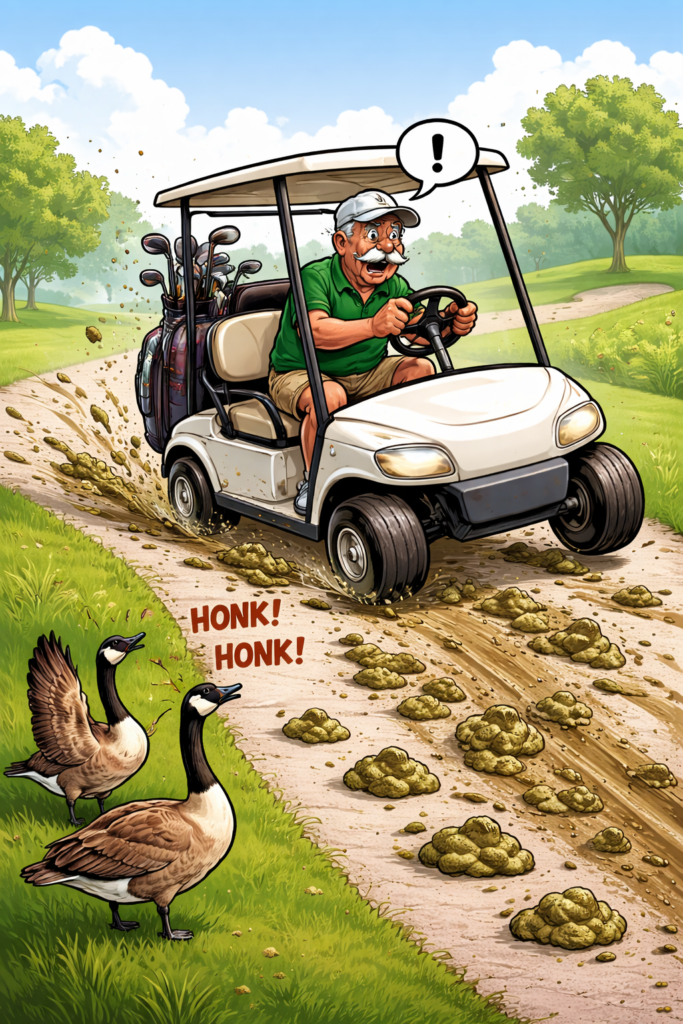
If you’ve played golf in late fall, winter, or early spring, you’ve probably noticed the same frustrating thing — goose poop is everyhere on golf courses.
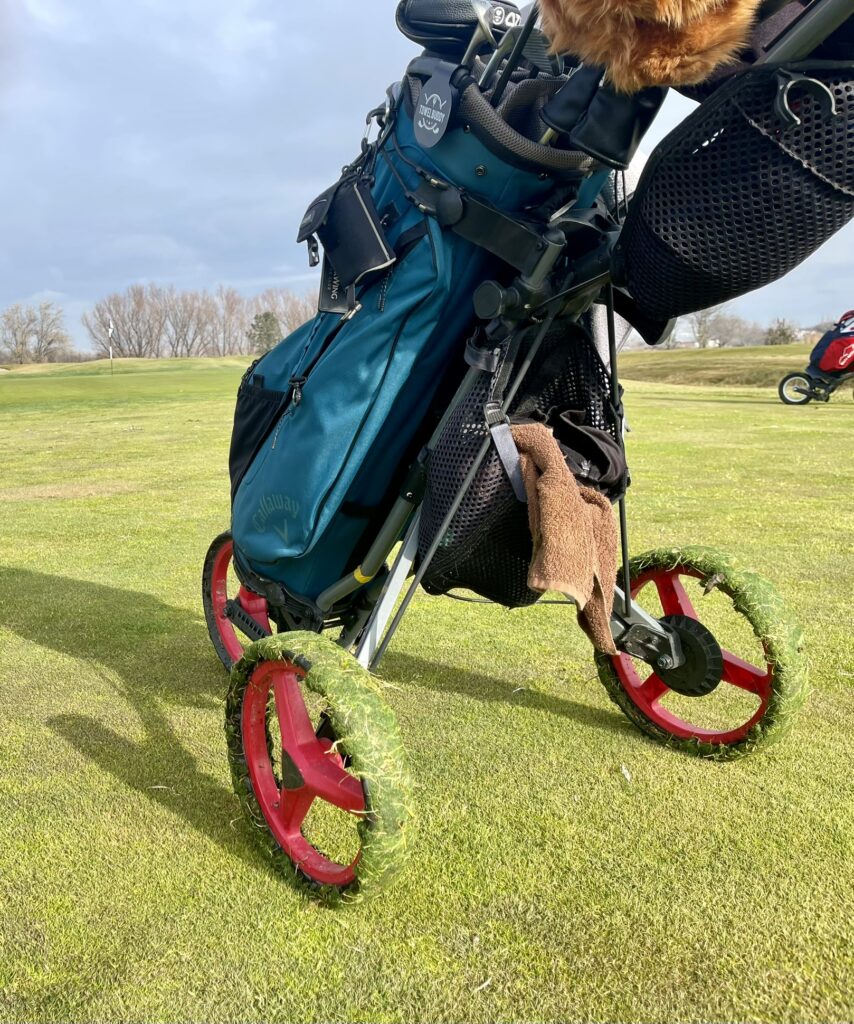
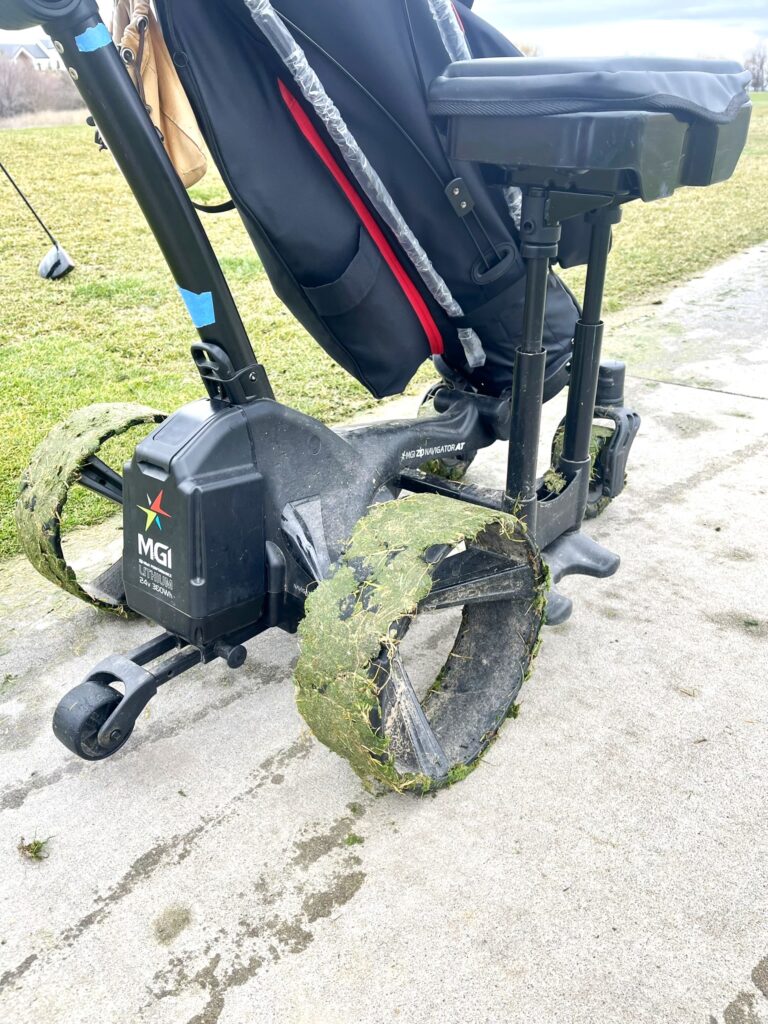
It’s on the fairways, around the greens, along the cart paths, and sometimes even caked onto your pull cart wheels like you drove through a pasture. What used to be a seasonal nuisance has become a nearly year-round problem, and many golfers are wondering why geese are staying longer, why it’s getting worse, and what — if anything — can be done about it.
But one thing nobody expects — and everyone notices — is this:
Goose poop is everywhere.
For a long time, this was mostly a spring problem.
Now? It’s a fall, winter, and spring problem.
And the reason is simple:
Geese aren’t leaving anymore.
7 minutes read time: Why Goose Poop Is Everywhere on Golf Courses (and What Golfers Can Do)
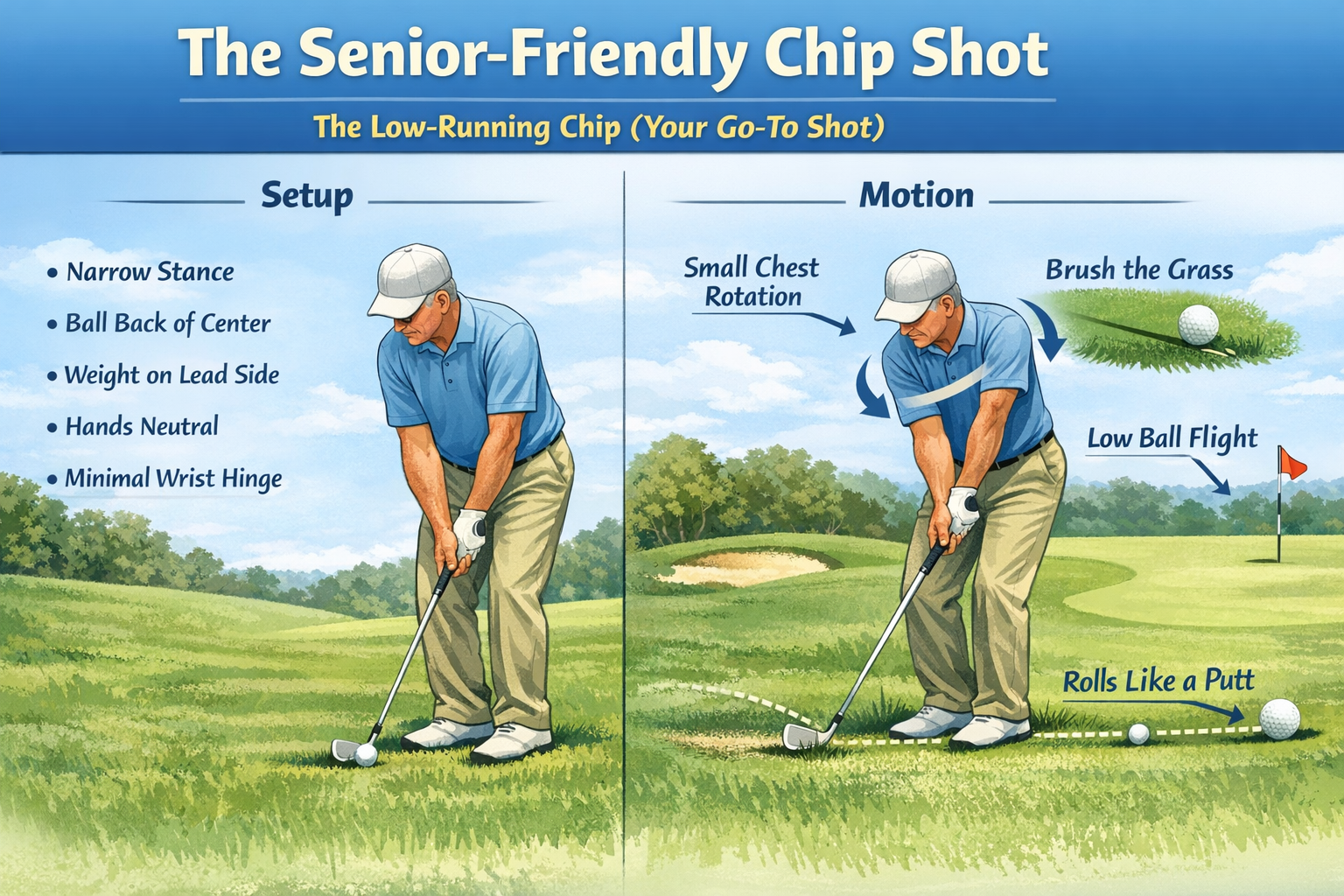
If there’s one part of golf that truly belongs to experienced players, it’s the short game for seniors. After 60, we may lose a little swing speed. We may not hit it as far as we once did. But scoring? Scoring still belongs to the golfer who controls the ball from 100 yards and in.…
At Senior-Golfers.com, we focus specifically on how the golf swing, equipment, and practice change after 60. If you’re looking for senior-friendly golf advice, start here. The shoulder turn in golf is a crucial component of a successful golf swing. It is a fundamental movement that allows golfers to generate power, maintain accuracy, and achieve optimal…
At Senior-Golfers.com, we focus specifically on how the golf swing, equipment, and practice change after 60. If you’re looking for senior-friendly golf advice, start here. There’s a moment that happens to almost every golfer over 60. You’re on the range.You make a swing.And you think: “That didn’t used to feel this hard.” Not painful.Not broken.…
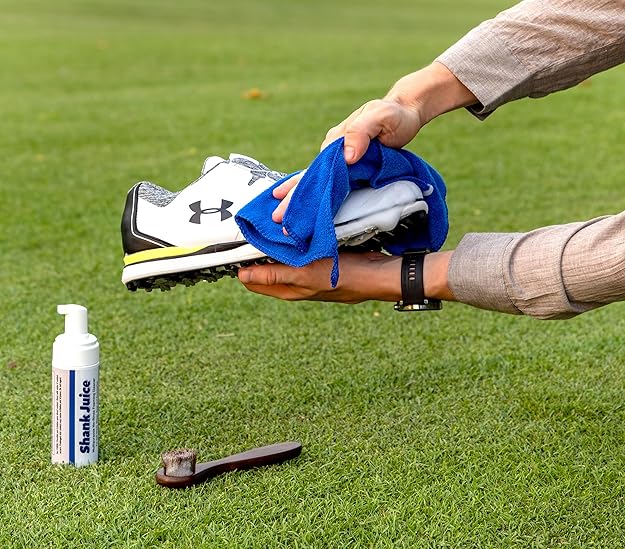
A complete shoe cleaning kit that includes brush, cloth, and cleaner solution is the most effective way to remove tough organic soils like goose droppings without damaging your golf shoe materials — especially if you wear them a lot over wet or messy courses.
🟩 What Golfers Can Do About Geese on the Course
1. Don’t feed them — ever. This is the single biggest factor golfers control. Feeding geese teaches them that golf courses equal food, which encourages them to stay, reproduce, and bring friends.
Even tossing bread “just once” trains geese to linger.
2. Keep your distance — especially in nesting season. In late winter and spring, geese become territorial and aggressive. Give them space and don’t challenge or chase them.
It’s safer for you and less stressful for the birds.
3. Clean your equipment regularly. Rinse your shoes, push cart wheels, and clubs after rounds during goose season. This reduces bacteria exposure and keeps you from spreading droppings around the course.
(Pro tip: a cheap garden hose by the garage beats tracking it inside.)
Clean Kit for Golf Shoes and Accessories – 6-item Kit: No Rinse Foaming Cleaner, Horsehair scrub brush – Microfiber cloth – Cedar wood deodorizing inserts and more.
4. Don’t complain — report. If goose problems are severe, tell the pro shop or superintendent. They can’t fix what they don’t know about, and consistent reports help justify wildlife management programs.
5. Respect deterrents when you see them. If you notice dogs, flags, fencing, lasers, or habitat changes — that’s the course trying to manage geese legally. Don’t interfere with those systems.
They only work if golfers let them.
6. Avoid “helpful” behavior that makes it worse. Feeding geese, approaching nests for photos, shooing geese aggressively, or letting kids chase them all increase stress and reinforce bad patterns.
Calm distance works better than drama.
🟩 Senior Insight
Golfers can’t remove geese — but we can stop encouraging them. The fewer positive interactions geese have with people, the less attached they become to golf courses.
Bottom Line
Geese are doing what nature taught them.
Golf courses accidentally became perfect for them.
The best thing golfers can do is not make that relationship stronger.
No feeding. No drama. No encouragement.
Just play your round, clean your gear, and let the course manage the rest.
Final Thought
The goose problem isn’t really about geese.
It’s about change.
Cycle climate changes. Land use change. Wildlife protection change. Suburban development change.
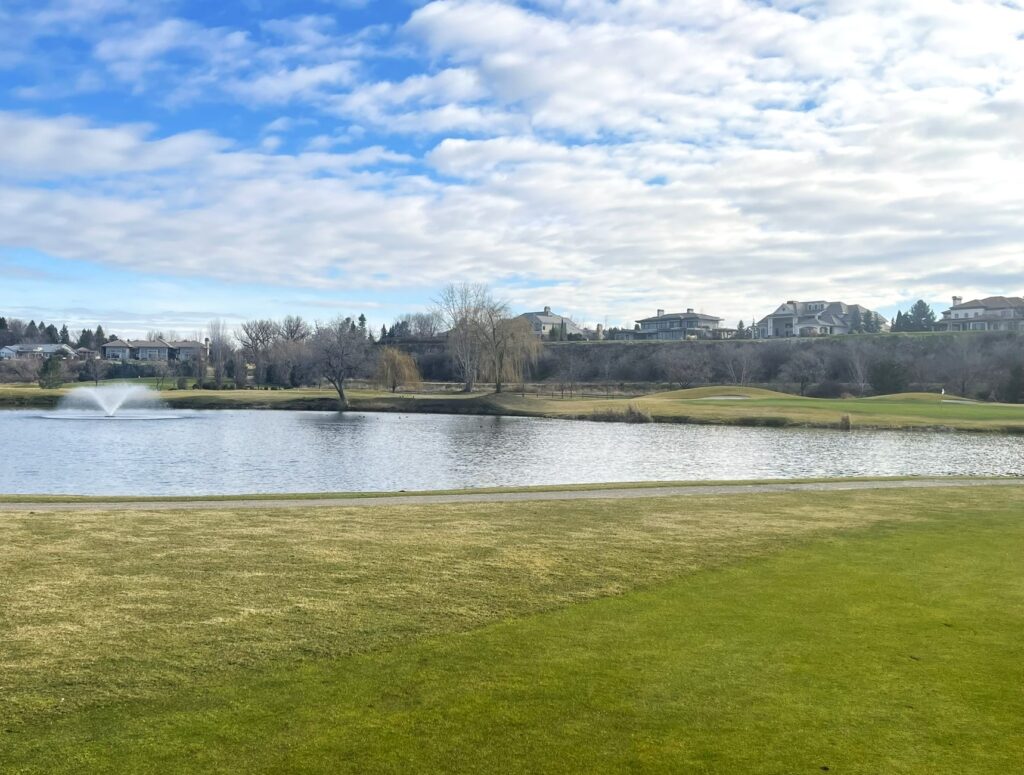
All of it collided with golf courses — and the result is a species that found the perfect place to live… and no longer leaves.
So when you see goose poop all over the course in December or February, you’re not just seeing a mess.
You’re seeing a system that shifted.
And unfortunately, that shift smells terrible.
That’s what goose poop equals.
Not just droppings.
Imbalance.
And one very dirty pull cart.
🔔Want more senior-specific golf tips? Join the Senior-Golfers.com Newsletter and get practical advice, equipment insights, and bonus guides delivered monthly — no spam.
Allen is a seasoned golfer who has been playing the sport for over 50 years, mostly in the Northwest, and now calls Idaho home. Throughout his life, he has actively participated in various sports, including snowboarding and windsurfing in the Columbia Gorge. Allen passionately believes that “Golf is Life” and is dedicated to helping fellow senior golfers make the most of their senior years









Comments