Brad Faxon: at the 2024 PGA Show Giving Chipping Tips For Senior Golfers
By Allen Pedersen
Demo Day at the 2024 PGA Show showcased a unique scenario. The eight-time PGA tour winner, now devoted to teaching at Jupiter Hills Club in Florida and serving as an analyst for NBC, took center stage. Brad Faxon lent his expertise to promote the unveiling of Titleist’s new SM10 line of Vokey wedges through a short game clinic. When Senior Golf USA sought advice from Faxon on enhancing the short game for older golfers, here’s what we discovered.
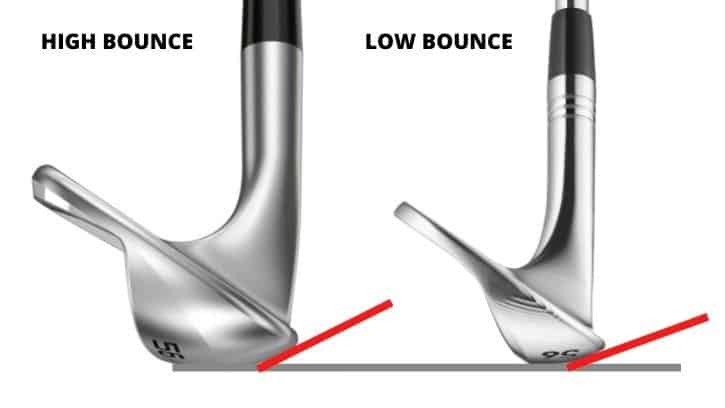
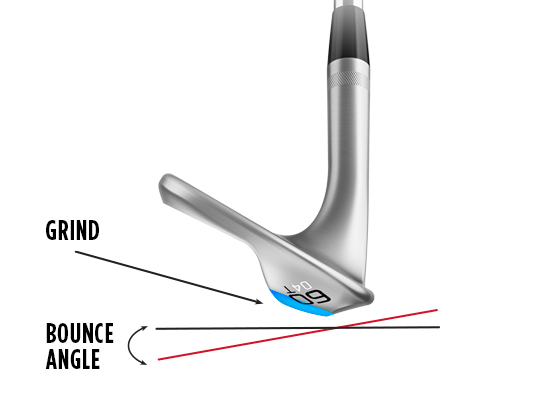
“Bounce is Your Friend”: Bounce might seem puzzling to many golfers, but it’s a crucial concept to understand. Titleist defines bounce as “the angle formed between the leading edge and the lowest point of the sole or trailing edge.” Simply put, the higher the bounce, the less likely the wedge is to dig into the turf. Faxon recommends that amateur golfers should typically choose a wedge with more bounce, as it allows for more margin of error. “I always stress this—bounce is your friend,” Faxon explains. “Having a wedge designed to assist you can boost confidence around the greens.”
Understanding Bounce
In golf, the term “bounce” refers to the angle measurement between the leading edge of the golf club’s sole and the trailing edge or lowest point of the sole. This angle affects how the club interacts with the turf or ground during a swing, particularly when hitting shots from the fairway, rough, or sand.
Sponsored Links
The bounce number on a golf wedge indicates the amount of this angle, typically measured in degrees. Higher bounce numbers mean that the angle between the leading and trailing edges is larger, while lower bounce numbers indicate a smaller angle.
Here’s a general guide to understanding golf wedge bounce numbers:
Low Bounce (4-6 degrees): Ideal for firm turf conditions or tight lies. Low bounce wedges are less likely to dig into the ground and are suitable for players who tend to take shallow divots.
Medium Bounce (7-10 degrees): Versatile for a variety of turf conditions. Medium bounce wedges provide a balance between digging and sliding through the turf, suitable for a wide range of players and playing conditions.
High Bounce (11 degrees and above): Suitable for soft turf conditions or deep rough. High bounce wedges are less likely to dig into the ground and are helpful for players who take deeper divots or encounter soft or fluffy lies.
It’s essential to choose the right bounce for your playing style and the conditions you typically encounter on the golf course. Players with steeper swings or who frequently play on softer turf may benefit from higher bounce wedges, while those with shallower swings or who play on firm turf may prefer lower bounce options.
When using a perfectly fit wedge grind, you can trust that the club is going to do more of the work, even on difficult shots. Wedge bounce is also key to understanding wedge grind, as opening the blade presents more bounce, while closing it down presents less.
Vokey grinds help you manipulate bounce more precisely. The high-bounce wedge grinds like the D and K grinds offer more forgiveness onq your wedge shots, while the low-bounce T grind provides maximum versatility, helping you create shots around the green.
AI golf instruction is becoming one of the newest ways golfers can use artificial intelligence to improve their game. AI can already write an email, plan a vacation, answer questions, analyze photographs—and now it can even analyze your golf swing. But can it actually help you play better golf? That was the question I wanted… Read more: AI Golf Instruction After 60: I Put AI to the Test
How Tee Height and Ball Position Can Help Senior Golfers Launch It Higher, Find the Center of the Face, and Get More From Their Driver One of the easiest ways for senior golfers to gain more from the driver is to check driver tee height for senior golfers and ball position before making another swing… Read more: Driver Tee Height for Senior Golfers: Are You Losing Distance?
Sometimes the best golf memories aren’t made on the golf course—they’re made afterward. 2-night golf getaways for senior golfers are one of the best ways to enjoy great golf, reconnect with friends, and recharge without spending a week away from home. Sometimes, the best golf memories aren’t made by shooting your lowest score—they’re made around… Read more: Why 2-Night Golf Getaways Are Perfect for Senior Golfers
Summer is one of the best times of the year to play golf. The days are longer, courses are in great condition, and many of us are playing two or three times a week—or even more. But there’s one mistake I see senior golfers make over and over again every summer. It’s not swinging too… Read more: The Biggest Mistake Senior Golfers Make During Summer Golf (And How to Avoid It)
A Senior Golfer’s Guide to Enjoying the Game Again. Golf confidence after 60 can disappear faster than most golfers expect. One day you’re standing over the ball feeling relaxed and confident, and the next you’re questioning your swing, your equipment, and even whether you can still play the game you love. If you’ve been struggling… Read more: Golf Confidence After 60: The Best Way to Get It Back
The Short Game for Seniors: Simple Pitch & Chip Tips After 60
[…] Brad Faxon emphasizes the importance of using the bounce correctly — especially for senior golfers. You can see his full demonstration in our article on Brad Faxon’s chipping tips for senior golfers. […]
Join Our Senior Golfers Newsletter!
Sign up today and receive your free Golf After 60 Bonus Stretch Guide!







Comments
[…] Brad Faxon emphasizes the importance of using the bounce correctly — especially for senior golfers. You can see his full demonstration in our article on Brad Faxon’s chipping tips for senior golfers. […]