Healthy eating for senior golfers isn’t about dieting or rules — it’s about supporting your body so you can play better, hurt less, and enjoy the game longer after 60.
Very few think seriously about their food.
But if you’re over 60 and still love to play — or want to play better, walk more holes, and feel less beat up afterward — what you eat has a bigger impact on your game than most people realize.
Not in a trendy diet way. Not in a “count every calorie” way.
AI golf instruction is becoming one of the newest ways golfers can use artificial intelligence to improve their game. AI can already write an email, plan a vacation, answer questions, analyze photographs—and now it can even analyze your golf swing. But can it actually help you play better golf? That was the question I wanted…
How Tee Height and Ball Position Can Help Senior Golfers Launch It Higher, Find the Center of the Face, and Get More From Their Driver One of the easiest ways for senior golfers to gain more from the driver is to check driver tee height for senior golfers and ball position before making another swing…
Sometimes the best golf memories aren’t made on the golf course—they’re made afterward. 2-night golf getaways for senior golfers are one of the best ways to enjoy great golf, reconnect with friends, and recharge without spending a week away from home. Sometimes, the best golf memories aren’t made by shooting your lowest score—they’re made around…
What you eat after your round determines how you feel the next day.
Ideal post-round meal:
Protein + carbs + anti-inflammatory foods
Example:
Grilled salmon, quinoa, and vegetables
Chicken stir-fry with brown rice
Protein smoothie with berries and greens
Greek yogurt, fruit, and nuts
This helps replenish glycogen, reduce inflammation, and support muscle repair.
7. Managing Weight Without Losing Strength
Many senior golfers want to lose weight but fear losing strength.
The solution is:
Prioritize protein
Strength train lightly if possible
Avoid extreme calorie restriction
Avoid cutting entire food groups
Slow, steady fat loss is better than aggressive dieting.
You want to be lighter and stronger — not smaller and weaker.
8. Common Mistakes Senior Golfers Make with Food
Skipping breakfast before early tee times
Drinking only coffee, no water
Eating sugar-heavy snacks at the turn
Under-eating protein
Not hydrating because “I don’t feel thirsty”
All of these quietly sabotage performance.
9. A Simple 18-Hole Eating Plan
Here’s a practical example:
Before the round:
Eggs, toast, avocado, and water
Front nine:
Banana + nuts, water
Turn:
Protein bar or jerky, electrolyte drink
Back nine:
Apple + almonds, water
After round:
Protein smoothie or balanced meal
Simple. Portable. Effective.
Frequently Asked Questions
Healthy Eating for Senior Golfers.
Do I need to follow a special diet to play better golf after 60?
No. You don’t need a strict diet or a named eating plan. What matters most is eating in a way that supports steady energy, reduces inflammation, and maintains muscle. Simple changes — like adding more protein, drinking more water, and reducing sugar — can make a noticeable difference without overhauling your lifestyle.
How much protein should senior golfers aim for?
Most golfers over 60 benefit from about 20–30 grams of protein per meal. This helps maintain muscle mass, supports recovery, and keeps energy levels more stable. That could be eggs at breakfast, chicken or fish at lunch and dinner, or a protein shake if meals are light.
What should I eat before an early morning tee time?
Aim for something light but balanced: protein + fiber + healthy fats. For example, Greek yogurt with berries and nuts, or eggs with toast and avocado. Avoid sugary foods or pastries, which can cause energy crashes later in the round.
Is coffee bad before or during a round of golf?
Coffee is fine in moderation and can improve alertness. The key is not relying on coffee alone. Pair it with water and food so you don’t become dehydrated or jittery.
What’s the best on-course snack for steady energy?
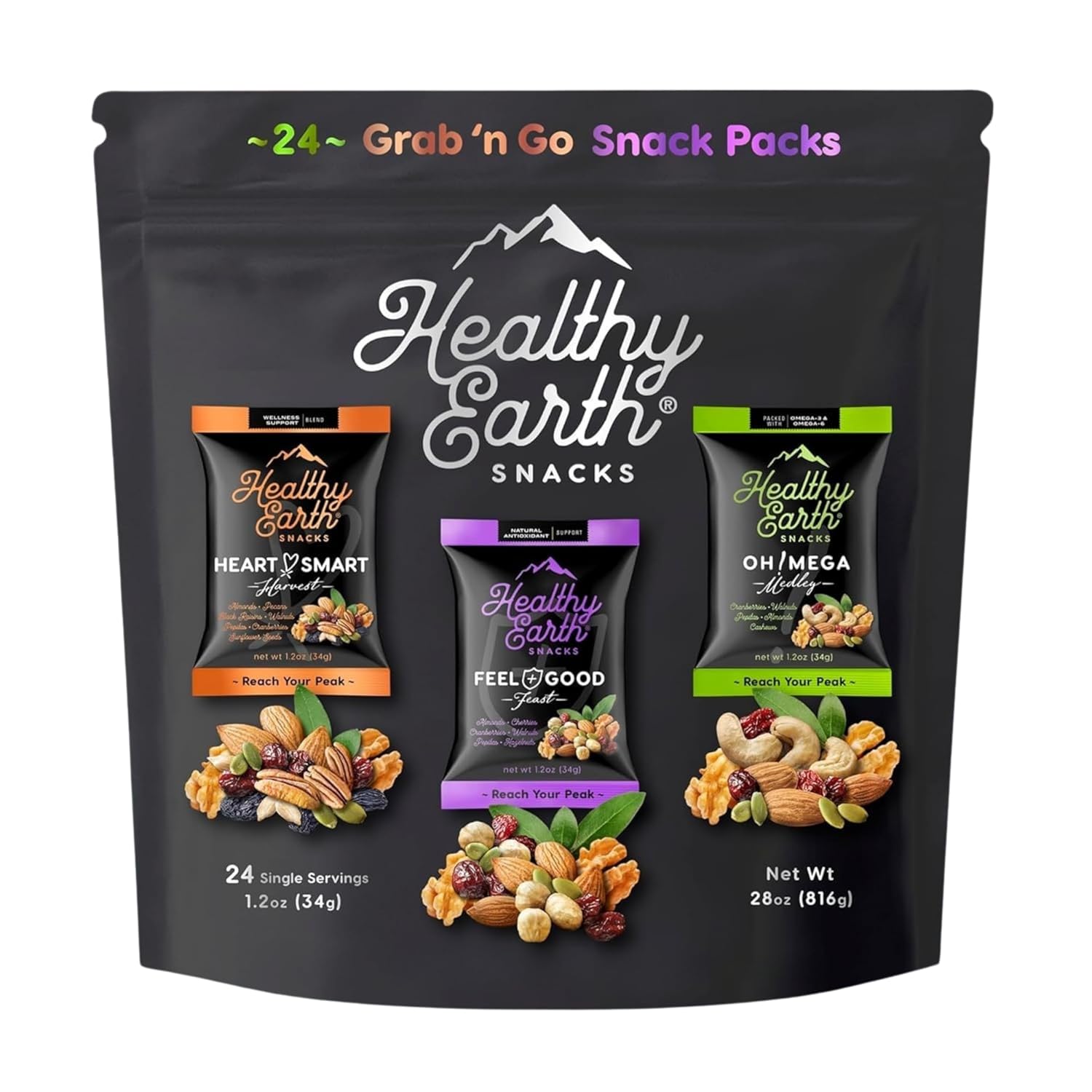
Small, portable snacks with protein and healthy fats work best — trail mix, nuts, jerky, a banana with peanut butter, or a low-sugar protein bar. These keep blood sugar stable without causing a crash.
Can food really help with joint pain and stiffness?
Yes — not as a cure, but as a support. Diets high in sugar, refined carbs, and processed foods can increase inflammation, while foods like fish, berries, olive oil, leafy greens, turmeric, and nuts can help reduce it over time.
Should I use electrolyte drinks or just water?
Water is great most of the time. On hot days, walking rounds, or long rounds, adding a low-sugar electrolyte mix can help replace sodium and minerals lost through sweat, which helps prevent fatigue and cramping.
Will eating more protein make me bulky or heavier?
No. Protein helps preserve muscle and prevent muscle loss — especially important after 60. It does not cause bulk unless paired with heavy strength training and excess calories.
Is it too late to change my eating habits and see benefits?
Not at all. Many golfers notice improvements in energy, recovery, and comfort within a few weeks of making simple changes. It’s never too late to support your body better.
Senior Insight
Most golfers don’t stop playing because their swing disappears — they stop because their body no longer feels like a reliable partner. Energy fades, joints ache, and recovery takes longer.
The goal of healthy eating after 60 isn’t to chase performance — it’s to protect enjoyment. When your body feels better, golf feels lighter, easier, and more fun again.
Eat in a way that helps you walk the course comfortably, focus on every putt, and wake up the next morning feeling ready to do it again. That’s the real win.
Final Thoughts
Healthy eating for senior golfers is not about dieting, rules, or perfection.
It’s about:
Supporting your body so it supports your game
Feeling better at the end of a round than the beginning
Playing more golf with less pain and more enjoyment
If you take care of your body, it will take care of your swing.
And that means more rounds, better rounds, and more years doing what you love.
Play well. Eat well. Recover well. And enjoy every round.
🔔Want more senior-specific golf tips? Join the Senior-Golfers.com Newsletter and get practical advice, equipment insights, and bonus guides delivered monthly — no spam.
Allen is a seasoned golfer who has been playing the sport for over 50 years, mostly in the Northwest, and now calls Idaho home. Throughout his life, he has actively participated in various sports, including snowboarding and windsurfing in the Columbia Gorge. Allen passionately believes that “Golf is Life” and is dedicated to helping fellow senior golfers make the most of their senior years





Comments